人猿泰山TarzanoftheApes
2023-04-29 来源:飞速影视
人猿泰山 Tarzan of the Apes04:56来自iGlobalist人猿泰山Tarzan of the Apes埃德加·赖斯·巴勒斯Edgar Rice Burroughs
Tarzan of the Apes is a 1912 novel by American writer Edgar Rice Burroughs, the first in a series of twenty-four books about the title character Tarzan.
In 1888 Lord and Lady Clayton sail from England but to West Africa and perish on a remote island. When their infant son is adopted by fanged, great anthropoid apes, he is Tarzan of the Apes. His intelligence and caring mother raise him to be king. Self-educated by his parents’ library, Tarzan rescues genteel Jane Porter from the perils of his jungle.
The story follows Tarzan"s adventures, from his childhood being raised by apes in the jungle to his eventual encounters with other humans and Western society. So popular was the character that Burroughs continued the series into the 1940s with two dozen sequels.
This exhilarating work takes us to that faraway place in our minds where dreams prevail, and where we too can be masters of our own domain.

《人猿泰山》(Tarzan of the Apes)是美国作家埃德加·赖斯·巴勒斯(Edgar Rice Burroughs)所创作的系列小说。而泰山是《人猿泰山》系列作品(小说及电影)中的主人公,父母被动物杀害后,是被猩猩抚养长大的人类。
《人猿泰山》是一部优秀的小说,在书中巴勒斯一方面对人类社会的弊端感到深恶痛绝,另一方面又指出了非洲原始丛林对“泰山”人性发展的限制。这虽然证明他对人类文明的肯定,但又是从白人优越感和种族偏见甚至阶级偏见出发的,未免有些美中不足。尽管如此,“泰山”还是象孙悟空在中国一样受人欢迎。《人猿泰山》长篇系列小说却可称得上是经典之作。自问世以来,一直经久不衰,深受广大读者喜爱。
埃德加·赖斯·巴勒斯在美国文学史上的地位虽然不高,但是他的《人猿泰山》长篇系列小说却可称得上是经典之作。自问世以来,一直经久不衰,深受广大读者喜爱。伯勒斯开始写作是在上世纪的一十年代,除写《人猿泰山》系列之外,还着有《火星》等系列科幻小说。其文风观点介于乐观与悲观之间,作品兼有科幻、冒险成分,至今仍脍炙人口。
试听音频
I had this story from one who had no business to tell it to me, or to any other. I may credit the seductive influence of an old vintage upon the narrator for the beginning of it, and my own skeptical incredulity during the days that followed for the balance of the strange tale.
When my convivial host discovered that he had told me so much, and that I was prone to doubtfulness, his foolish pride assumed the task the old vintage had commenced, and so he unearthed written evidence in the form of musty manuscript, and dry official records of the British Colonial Office to support many of the salient features of his remarkable narrative.
I do not say the story is true, for I did not witness the happenings which it portrays, but the fact that in the telling of it to you I have taken fictitious names for the principal characters quite sufficiently evidences the sincerity of my own belief that it MAY be true.
The yellow, mildewed pages of the diary of a man long dead, and the records of the Colonial Office dovetail perfectly with the narrative of my convivial host, and so I give you the story as I painstakingly pieced it out from these several various agencies.
相关影视
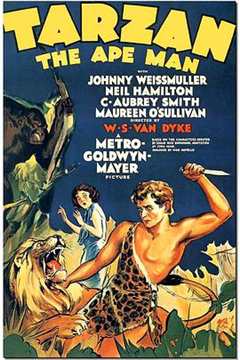
人猿泰山
1932/美国/动作片泰山恩仇
1991/大陆/剧情片人猿星球
1968/美国/科幻片人猿星球3
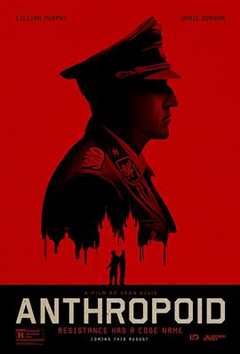
1971/美国/科幻片类人猿行动
2016/其它/战争片人猿星球4
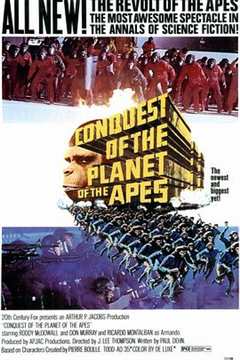
1972/美国/科幻片人猿星球5
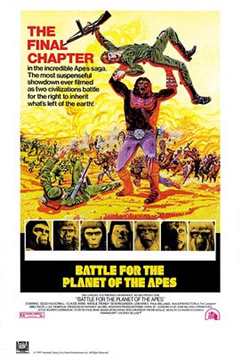
1973/美国/科幻片人猿星球2
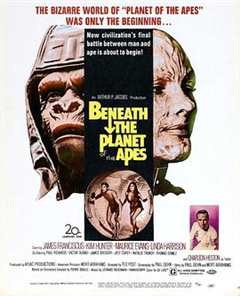
1970/美国/科幻片
合作伙伴
本站仅为学习交流之用,所有视频和图片均来自互联网收集而来,版权归原创者所有,本网站只提供web页面服务,并不提供资源存储,也不参与录制、上传
若本站收录的节目无意侵犯了贵司版权,请发邮件(我们会在3个工作日内删除侵权内容,谢谢。)
若本站收录的节目无意侵犯了贵司版权,请发邮件(我们会在3个工作日内删除侵权内容,谢谢。)
www.fs94.org-飞速影视 粤ICP备74369512号